


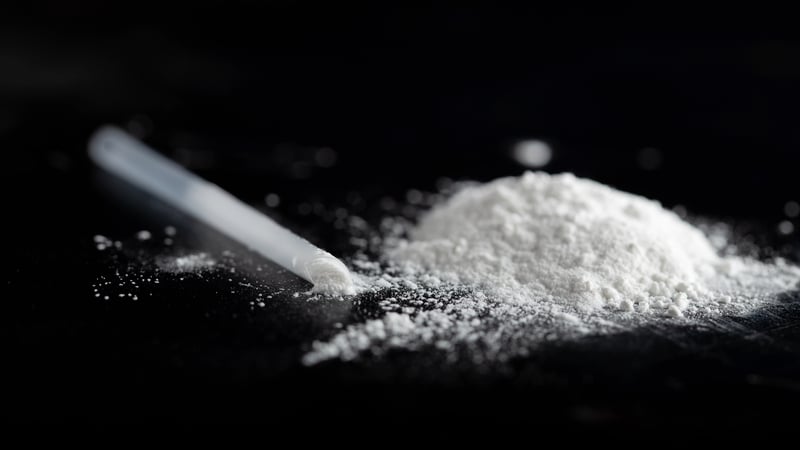
Doctors have warned of a rise in the number of young people seeking help for ketamine-related bladder issues.
Ketamine, originally intended as an anaesthetic, has become increasingly popular as a recreational drug.
The HSE has said its research indicated that ketamine is one of the most commonly used substances in nightlife and at festivals.
A review of waste water from the Ringsend treatment facility indicated that it was the third most used drug, after cocaine and cannabis.
Consultant urologist Dr Eabhann O'Connor said that there has been a significant increase in the use of ketamine in recent years.
Speaking on RTÉ's News at One, Dr O'Connor said: "We're certainly seeing a rise in ketamine use and the figures suggest that inpatient admissions for chronic ketamine use have tripled in the last few years.
"While we don't have a good grasp on the increase in numbers and how it's affecting bladders, I'm getting more referrals and I'm seeing more people with potential negative impacts on their bladder.
"With increased use will come the more potential for ketamine cystitis."
Dr O'Connor said that use of ketamine can have a toxic effect on urine, which contributes to significant bladder issues.
We need your consent to load this rte-player contentWe use rte-player to manage extra content that can set cookies on your device and collect data about your activity. Please review their details and accept them to load the content.Manage Preferences
"People might initially complain of needing to go to the toilet more frequently, pain in the bladder, and over time, that damage to the lining of the bladder can result in the bladder becoming thick-walled and not holding urine well," she said.
"People become incontinent or leak urine and ultimately, end-stage bladder dysfunction can lead to high pressures in the kidneys and even kidney failure and dialysis being required."
Dr O'Connor said that it was not a surprise to see ketamine becoming popular as it is cheaper to buy than other drugs.
"My understanding, having spoken with people who work in this area in particular, is that it is cheaper to buy," she said.
"I think there's been an increase in festivals, and the club scene in Ireland has expanded as well.
"It's being taken in conjunction with other drugs also, and I think its accessibility and cost profile have made it more attractive as well over the past number of years."
Dr O'Connor said that diagnosing such issues can be difficult as people will not admit that they are taking drugs, and called for greater collaboration with addiction services.
"I think we do need to see increased education and provision of services to addiction services and to GPs as well," she said.
"I think the problem often is that people won't divulge the information that they're taking these drugs, and it does require a little bit of probing.
"If you have a young person who's referred with going to the toilet more frequently, you may not see that as a particularly urgent thing.
"But if it's probed that they're actually also using ketamine habitually, then certainly there's an opportunity there to intervene."
"We need the development of more collaboration with addiction services and maybe multidisciplinary team development as well to work together, and have more awareness of what's going on across the country and not just in our different hospital silos," she added.
